Home nursing services play a vital role in supporting patients who need care outside of hospitals. However, many families are unsure about what a home nurse actually does. One of the most common questions is: what is the difference between medical and non-medical responsibilities of a home nurse?
Understanding this difference helps families choose the right level of care and ensures patients receive appropriate support at home.
What Is a Home Nurse?
A home nurse is a trained healthcare professional who provides medical and supportive care to patients in their homes. Unlike general caregivers, home nurses are qualified to perform clinical tasks and monitor a patient’s health condition.
Home nursing services are commonly used for:
- Post-surgery recovery
- Chronic disease management
- Elderly care
- Long-term medical monitoring
A home nurse combines both medical expertise and daily support to improve patient well-being.
Understanding Medical vs Non-Medical Responsibilities
Home nursing involves two key areas of care: medical and non-medical responsibilities. While both are important, they serve different purposes in patient care.
- Medical responsibilities involve clinical care and treatment
- Non-medical responsibilities focus on comfort, support, and daily assistance
Knowing the difference helps families choose the right type of service.
Medical Responsibilities of a Home Nurse
Medical responsibilities include tasks that require professional training, clinical knowledge, and licensing.
Medication Administration and Management
Home nurses ensure that patients take medications correctly and on time. They may also administer injections or IV therapy as prescribed.
Wound Care and Dressing
Nurses provide proper wound care, change dressings, and monitor healing to prevent infections.
Monitoring Vital Signs
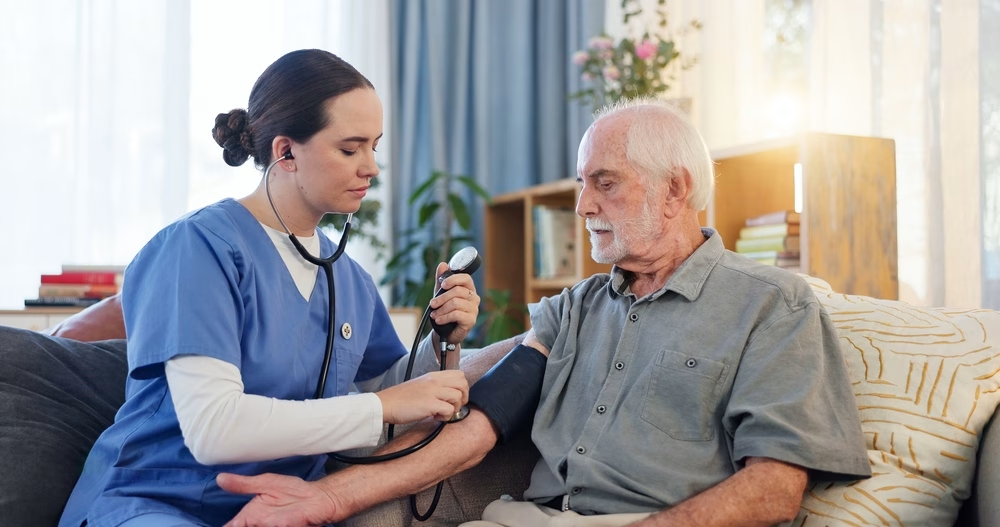
Regular checks of blood pressure, heart rate, temperature, and oxygen levels help track the patient’s health condition.
Post-Surgical Care
After surgery, nurses monitor recovery, manage pain, and ensure wounds heal properly.
Chronic Disease Monitoring
Patients with conditions like diabetes, hypertension, or heart disease require regular monitoring and management.
Medical Procedures at Home
Some nurses perform procedures such as catheter care, IV therapy, or injections, depending on patient needs.
Non-Medical Responsibilities of a Home Nurse
Non-medical responsibilities focus on improving the patient’s comfort and supporting daily activities.
Assistance with Daily Activities
Helping patients with bathing, dressing, and mobility.
Emotional Support and Companionship
Providing reassurance and emotional support during recovery.
Meal Assistance and Basic Nutrition Support
Helping with feeding or ensuring patients follow dietary guidelines.
Mobility and Safety Support
Assisting with walking and preventing falls, especially for elderly patients.
Monitoring Overall Well-Being
Observing changes in behavior, appetite, or mood and reporting concerns.
Key Differences Between Medical and Non-Medical Care
Medical Responsibilities | Non-Medical Responsibilities |
Clinical and treatment-based | Supportive and comfort-based |
Requires professional training | Focuses on daily assistance |
Includes medications and procedures | Includes personal care and companionship |
Involves health monitoring | Focuses on lifestyle support |
Both types of care are important for complete patient support.
Why Both Types of Care Are Important
A patient’s recovery and well-being depend on both medical and non-medical support. While medical care ensures proper treatment, non-medical care improves comfort and emotional health.
Together, they help:
- Improve recovery outcomes
- Reduce stress for patients
- Support independence
- Ensure overall well-being
A balanced approach provides the best care at home.
When Do You Need Medical vs Non-Medical Support?
Understanding patient needs helps determine the type of care required.
You may need medical care when:
- The patient is recovering from surgery
- Chronic illness needs monitoring
- Medications or injections are required
You may need non-medical support when:
- The patient needs help with daily activities
- Elderly care and companionship are required
- Mobility assistance is needed
In many cases, patients benefit from both types of care.
Choosing the Right Home Nursing Service in Dubai
Selecting the right provider ensures safe and reliable care at home.
When choosing home nursing services:
- Ensure nurses are DHA-licensed
- Confirm experience in required care
- Check availability of both medical and support services
- Look for flexible care plans
- Read patient reviews
A professional provider should offer comprehensive care tailored to patient needs.
How Ora Doctors Supports Home Nursing in Dubai
Ora Doctors provides professional home nursing services across Dubai, offering both medical and non-medical support for patients.
Services include:
- Medication management
- Wound care
- Post-surgical care
- Elderly care
- Chronic disease monitoring
- Home visits by qualified nurses
Care plans are customized to ensure patients receive the right level of support at home.
FAQs
What is the difference between a nurse and a caregiver?
A nurse provides medical care, while a caregiver focuses on non-medical support such as daily assistance and companionship.
Can a home nurse provide both medical and non-medical care?
Yes, many home nurses provide a combination of clinical care and daily support depending on patient needs.
Do all home nurses perform medical procedures?
Licensed nurses can perform medical procedures, but services depend on their qualifications and patient requirements.
Is non-medical care enough for elderly patients?
It depends on the patient’s condition. Some may need only support, while others require medical monitoring as well.